
Transforming Agriculture: The Rise of Digital Twins
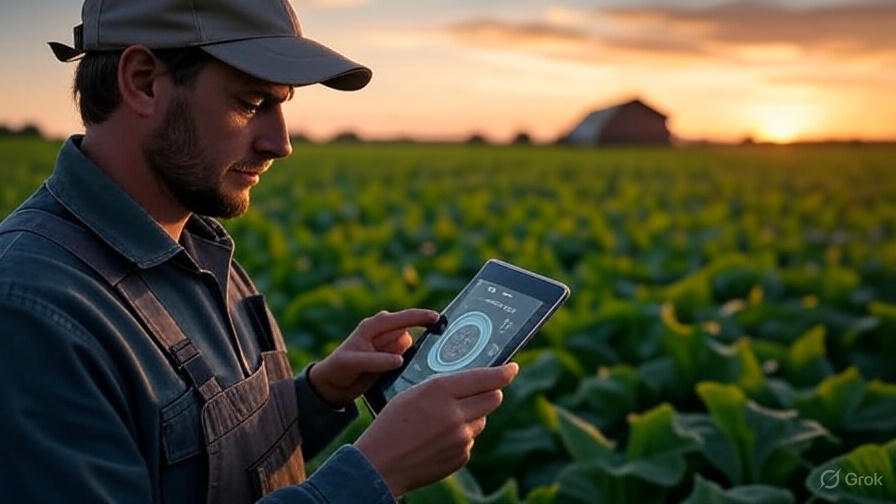
Digital twins are revolutionizing agriculture by enhancing crop management, optimizing resource use, and boosting sustainability. A digital twin in this field is a virtual model of a farm, crop, or livestock, fed with data from drones, soil sensors, and weather systems. Here’s how digital twins are reshaping the agricultural landscape.
1. Precision Farming
Digital twins enable farmers to monitor and manage crops with precision, using real-time data to adjust irrigation, fertilization, and pest control.
-
Example: John Deere uses digital twins to create virtual models of fields, helping farmers optimize planting patterns and reduce water use by 20%.
-
Impact: A 2023 USDA report notes that precision farming with digital twins can increase crop yields by 15-25%.
2. Livestock Monitoring
Digital twins of livestock track health and behavior, allowing farmers to detect issues early and improve animal welfare.
-
Example: Cargill employs digital twins for cattle, using wearable sensors to monitor vital signs and predict health problems, reducing mortality rates by 10%.
-
Impact: According to a 2024 FAO study, digital twin technology can lower veterinary costs by up to 15%.
3. Water and Resource Management
By simulating water flow and soil conditions, digital twins help farmers conserve resources and adapt to climate variability.
-
Example: Nestlé uses digital twins to model water usage on its coffee farms, cutting consumption by 12% while maintaining yield.
-
Impact: A 2023 World Bank report highlights a 10-20% reduction in water waste with digital twin-assisted irrigation.
4. Supply Chain Optimization
Digital twins model the entire agricultural supply chain, from farm to table, improving logistics and reducing food loss.
-
Example: Walmart uses digital twins to simulate its produce supply chain, reducing spoilage by 18% during transport.
-
Impact: A 2024 McKinsey study suggests a 15% improvement in supply chain efficiency with digital twin technology.
5. Sustainable Practices
Digital twins promote eco-friendly farming by simulating the impact of different practices on soil health and biodiversity.
-
Example: Syngenta leverages digital twins to test regenerative agriculture techniques, increasing soil carbon sequestration by 8%.
-
Impact: The UN estimates that digital twins could help agriculture meet 30% of its net-zero emissions goals by 2030.
Challenges and Future Outlook
Challenges include high initial costs, data integration issues, and the need for farmer training. However, advancements in AI and affordable IoT devices are driving adoption. The agricultural digital twin market is projected to reach $8 billion by 2030, growing at a CAGR of 32%, per a 2024 MarketsandMarkets report.
Conclusion
Digital twins are transforming agriculture by enabling precision farming, improving livestock care, optimizing resources, streamlining supply chains, and fostering sustainability. As technology evolves, they will play a crucial role in feeding a growing global population while preserving the planet.
